In recent years, biometric systems have become a significant player in the field of transportation security. From airports to train stations, these systems are being implemented to enhance safety and streamline processes. But what exactly are biometric systems? Well, they’re technologies that use unique physical characteristics—think facial recognition and fingerprints—to identify individuals.
Facial recognition technology is particularly fascinating. It’s like something straight out of a sci-fi movie, right? Cameras scan a person’s face, and sophisticated algorithms map out key features. This data is then compared to a database to verify identity. It’s quick, efficient, and surprisingly accurate. But, it does have its critics. Concerns about privacy and potential misuse of data are hot topics of debate. Can we trust these systems to handle our sensitive information responsibly?
But it’s not just about faces. Fingerprint scanners have been around for a while but are now more advanced than ever. These handy devices ensure that only authorized individuals gain access to restricted areas. Imagine breezing through airport security without fumbling for your ID or boarding pass. Sounds convenient, doesn’t it? However, there’s always a flip side. What happens when the technology fails or is compromised? It’s a balancing act between convenience and security.
Smart luggage and secure check-ins
Picture this: arriving at the airport with your luggage that basically has a mind of its own. Smart luggage is the latest trend in travel, designed to make life easier for frequent flyers. These nifty bags come equipped with GPS trackers, digital locks, and even built-in scales to avoid those pesky overweight charges. No more lost luggage or forgotten combinations! But wait, there’s more.
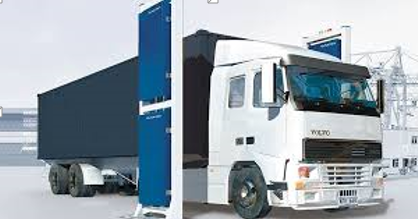
Secure check-ins have also evolved dramatically. Gone are the days of waiting in long lines to drop off your bags. With smart technology, travelers can now check in via mobile apps, print their bag tags at home, and simply drop their luggage at designated points when they arrive at the airport. Cargo screen technologies are similarly becoming more efficient, ensuring that shipments are monitored and processed quickly. It’s almost too good to be true. However, with all this convenience comes concerns about data security. Are these new systems as secure as they claim to be?
Furthermore, smart luggage often includes features like USB ports for charging devices on the go and Bluetooth connectivity to keep track of your bags through an app. It’s like having a personal assistant dedicated solely to your travel needs. Yet, it raises the question: How reliant should we become on technology? What if there’s a glitch or technical failure? It’s exciting but also a bit nerve-wracking to think about our increasing dependence on smart gadgets.
Drones playing watchdog
Drones have come a long way from being just cool gadgets for hobbyists. In the realm of transportation security, these flying machines are proving to be invaluable assets. They’re used for monitoring large areas, inspecting infrastructure, and even assisting in emergency situations. Advanced devices such as the radiation detector are integrated into drones to enhance their capabilities. Imagine drones patrolling an airport perimeter or overseeing a busy railway station. The aerial perspective they provide is unmatched.
One of the most significant advantages of using drones is their ability to access hard-to-reach areas quickly and efficiently. They can be deployed in minutes to survey a situation or inspect potential threats. This rapid response capability can be crucial in preventing incidents or addressing issues before they escalate. However, the rise of drones also brings up some concerns about privacy and airspace management. How do we ensure these drones don’t become intrusive or pose risks to other aircraft?
Moreover, drones equipped with high-resolution cameras and sensors can gather vast amounts of data in real-time. This information can be used to enhance security measures and improve operational efficiency. But it also raises questions about data handling and storage. Who has access to this information? How is it being used? As with any technology, there’s a fine line between benefit and potential misuse.
See also: Secure and Scalable Multi-Cloud Connectivity for Global Businesses
Enhancing security with artificial intelligence
Artificial Intelligence (AI) is making waves in various industries, and transportation security is no exception. AI algorithms can analyze vast amounts of data quickly and accurately, identifying patterns and anomalies that might go unnoticed by human eyes. This capability is particularly useful in monitoring surveillance feeds and detecting suspicious behavior.
For instance, AI-powered systems can scan thousands of video feeds simultaneously, flagging unusual activities for further investigation. This level of vigilance is almost impossible for human operators to achieve on their own. But there’s always that lingering concern: Can we trust machines to make critical decisions? What if the AI makes a mistake? It’s a valid worry that keeps many people on edge.
Another exciting application of AI in transportation security is predictive analytics. By analyzing historical data and current trends, AI can predict potential security threats and suggest preventive measures. It’s like having a crystal ball for security planning! However, implementing such advanced technology requires significant investment and expertise. And let’s not forget the ethical considerations surrounding AI decision-making processes.
Cybersecurity measures in modern transportation
With all these technological advancements enhancing physical security, one might think we’re covered on all fronts. However, the digital realm presents its own set of challenges. Cybersecurity has become a critical aspect of transportation security as more systems become interconnected and reliant on digital networks.
The threat of cyberattacks on transportation infrastructure is very real. Hackers could potentially disrupt operations, steal sensitive information, or even cause physical damage by manipulating control systems remotely. It’s a scary thought but one that needs addressing with robust cybersecurity measures.
Implementing strong cybersecurity protocols involves regular system updates, employee training on cyber hygiene, and investing in advanced threat detection technologies. It’s an ongoing battle against ever-evolving cyber threats. But what happens when human error comes into play? Even the best systems can be compromised by simple mistakes or negligence.
Ultimately, achieving comprehensive transportation security requires a multi-layered approach that combines cutting-edge technology with stringent cybersecurity measures and vigilant human oversight. It’s an evolving landscape that demands constant attention and adaptation to stay ahead of potential threats.