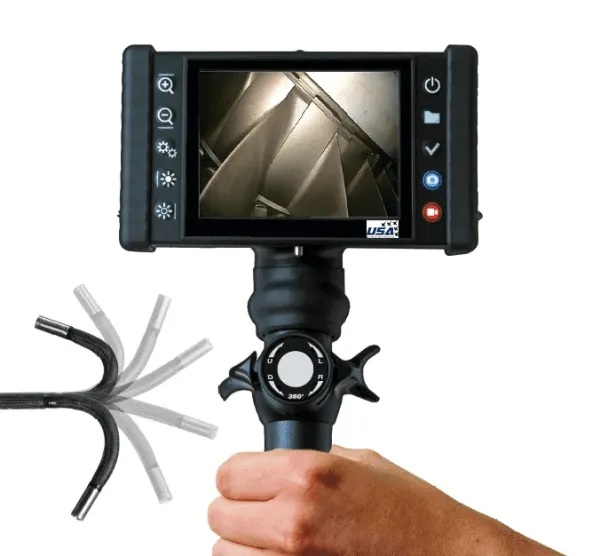
Helicopter engines operate under demanding conditions, with high rotational speeds, temperature variations, and constant mechanical stress. Ensuring these engines remain in optimal condition is critical for safety and performance. Traditional inspection methods often require partial disassembly, which is time-consuming and increases the risk of handling errors. Videoscopes provide a solution by allowing technicians to visually assess internal engine components quickly and accurately.
The Advantages of High-Resolution Imaging
High-resolution videoscopes offer clear visuals of helicopter engine components, including turbines, compressors, gearboxes, and combustion chambers. Detailed imaging enables technicians to detect early signs of wear, cracks, corrosion, and deformation. Adjustable lighting and focus ensure visibility in tight or poorly illuminated spaces, improving defect identification. By capturing precise images and video, maintenance teams can evaluate component condition without repeated physical inspection or extensive disassembly, reducing inspection time and potential damage to engine parts.
Flexible Probes for Confined Spaces
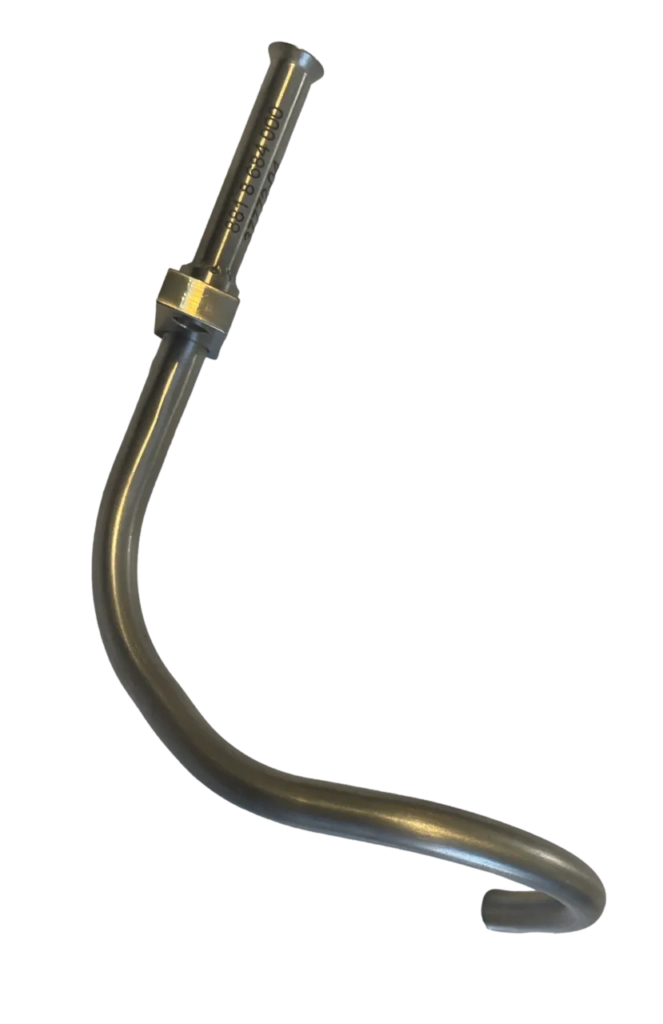
Helicopter engines have compact designs with many hard-to-reach areas. Flexible videoscope probes, often with 2-way or 4-way articulation, allow technicians to maneuver around curves and obstacles to inspect blades, vanes, and internal surfaces. This flexibility ensures comprehensive coverage, even in tight spaces where traditional tools cannot reach. Reduced disassembly not only saves time but also minimizes the risk of introducing contamination or damaging sensitive engine components.
Real-Time Feedback and Analysis
Videoscopes provide live imaging that allows technicians to assess engine components in real-time. Adjustments to probe position, lighting, and focus can be made instantly to improve visibility. Integrated measurement and analysis features allow technicians to quantify defects such as crack length, erosion depth, or surface wear directly from images or video. Real-time assessment reduces the need for repeated inspections and supports immediate decision-making for maintenance actions.
Documenting Inspections for Accuracy and Compliance
Capturing images and video during inspections creates a permanent record of engine condition. Technicians can annotate visuals with measurements and notes, providing a clear reference for future maintenance or regulatory audits. Accurate documentation helps track component wear over time, supports predictive maintenance strategies, and ensures compliance with aviation safety standards. Digital records also improve communication between maintenance teams, engineering staff, and management, creating a transparent and accountable inspection workflow.
Reducing Downtime and Operational Disruptions
Traditional engine inspections often require partial disassembly, which increases helicopter downtime and operational costs. Videoscopes reduce the need for disassembly by providing visual access to internal components. Faster inspections allow maintenance teams to identify and address issues quickly, minimizing aircraft downtime. By reducing inspection time without sacrificing accuracy, videoscopes improve overall operational efficiency and allow helicopters to remain in service more consistently.
Enhancing Technician Safety
Working on high-temperature, high-pressure, or confined engine areas can pose safety risks. Videoscopes allow technicians to perform thorough inspections from a safe distance, minimizing exposure to potential hazards. Flexible probes and high-resolution imaging reduce the need for direct contact with hot or moving components. Enhanced safety practices also support compliance with occupational health standards while maintaining inspection quality and accuracy.
Supporting Predictive Maintenance Programs
Videoscope inspections generate data that can be used for predictive maintenance strategies. By recording engine condition over multiple inspection cycles, technicians can identify patterns of wear, fatigue, or corrosion before they result in failure. This proactive approach allows maintenance teams to schedule repairs during planned downtime rather than responding to unexpected component issues. Predictive maintenance improves engine longevity, reduces operational risk, and helps optimize maintenance budgets.
See also: Unpublished David Bunnell Pc Magazine Macworldmccrackentechnologizer
Versatility Across Helicopter Engine Types
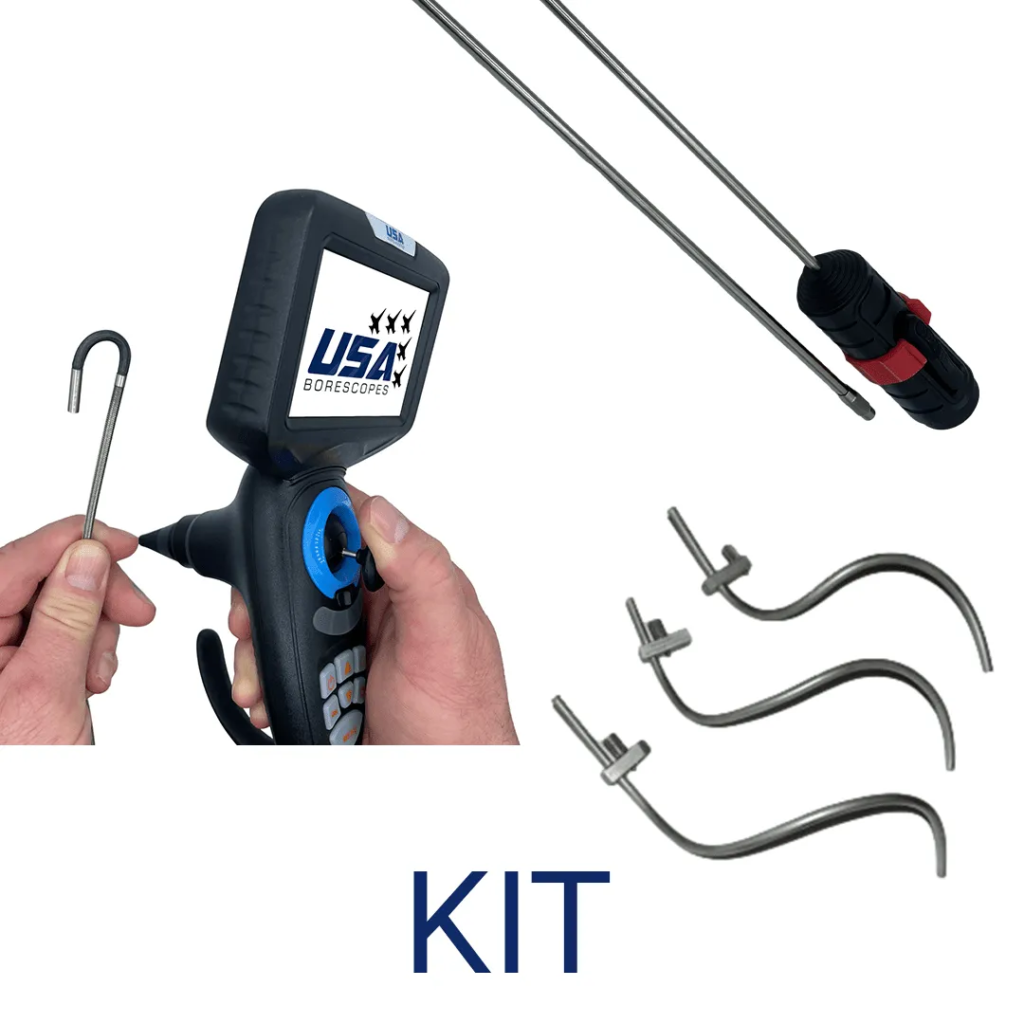
Modern videoscopes are suitable for various helicopter engine configurations, including turboshaft, piston, and turbine engines. Interchangeable probes, adjustable lighting, and measurement tools make them adaptable to different inspection needs. Technicians can inspect rotors, gearboxes, combustion chambers, and auxiliary components with a single device. This versatility reduces the need for multiple specialized tools and ensures that inspections are thorough, accurate, and cost-effective.
Training and Proficiency for Optimal Results
The effectiveness of videoscope inspections relies on technician skill and familiarity with the equipment. Proper training in probe manipulation, image interpretation, and measurement techniques enhances inspection accuracy and efficiency. Experienced technicians can perform comprehensive inspections more quickly while maintaining high-quality results. Ongoing practice and familiarity with evolving technologies ensure that maintenance teams stay current with best practices and maintain high standards of inspection reliability.
Integration with Digital Workflow Systems
Many modern videoscopes integrate with digital maintenance management systems. Inspection images and videos can be uploaded directly to software platforms for storage, analysis, and trend monitoring. Digital integration supports organized recordkeeping, improves communication between teams, and facilitates regulatory compliance. Streamlined workflows allow maintenance staff to access historical inspection data quickly and make informed decisions, further enhancing the efficiency of helicopter engine maintenance programs.
Cost and Efficiency Benefits
By reducing inspection time, minimizing disassembly, and improving defect detection, videoscopes offer significant cost advantages. Fewer disassembly requirements reduce labor hours and decrease the likelihood of accidental component damage. Early detection of defects prevents expensive repairs or replacements and reduces operational downtime. Combined with digital documentation and predictive maintenance capabilities, videoscopes represent a cost-effective investment for helicopter operators seeking reliable and efficient maintenance solutions.
Enhance Helicopter Engine Inspections
Using these tools allows technicians to identify potential issues early, reduce downtime, and improve operational efficiency. For professionals looking to enhance helicopter engine inspections and streamline maintenance workflows, USA Borescopes offers advanced equipment designed to improve accuracy, safety, and inspection speed. Contact USA Borescopes them today.
About the Author
The Author is a technical writer with expertise in aviation maintenance, rotorcraft systems, and industrial inspection technology. They focus on producing practical content that helps professionals apply advanced inspection tools effectively. With experience in evaluating workflows and emerging technologies, they provide insights that enhance maintenance accuracy, safety, and efficiency.